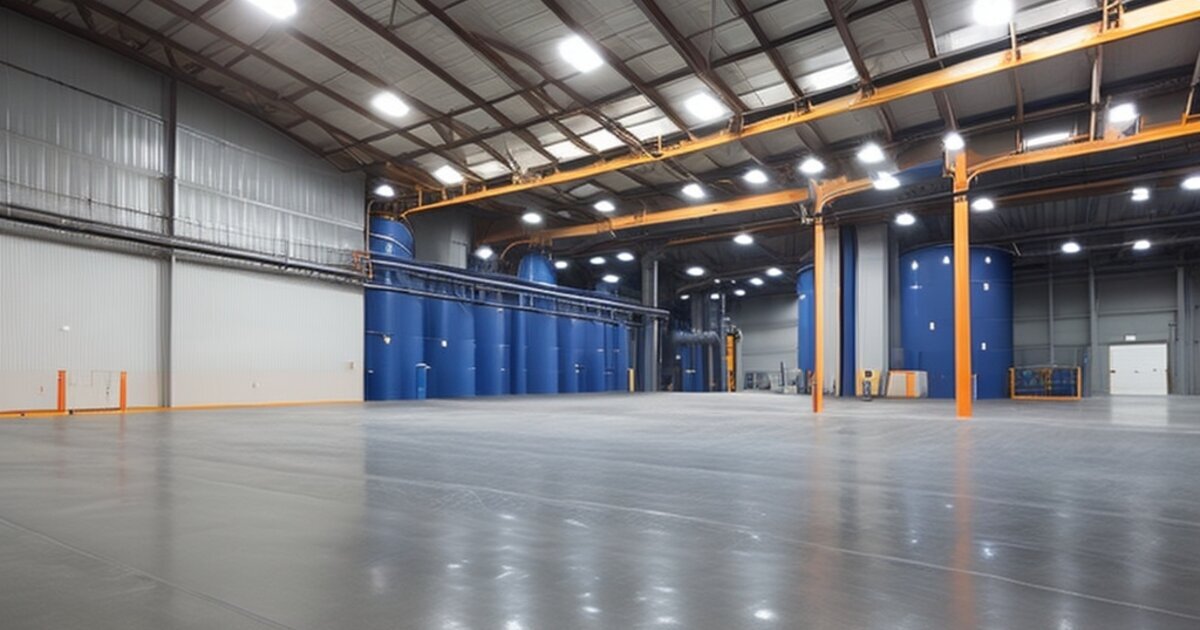
Agricultural facilities in the Southwest operate under some of the most demanding conditions in North America. From the irrigated fields of Arizona’s Imperial Valley to the dairy operations of New Mexico’s Mesilla Valley and the grain handling complexes of the Texas Panhandle, these facilities face intense UV radiation, extreme temperature swings, abrasive dust, and corrosive agricultural chemicals. For facility managers, protective coatings are not a cosmetic consideration—they are a critical component of food safety, equipment longevity, and operational efficiency.
The agricultural sector presents unique coating challenges that differ significantly from standard commercial or industrial applications. Grain silos require moisture-barrier systems that prevent condensation and pest intrusion. Food processing floors must withstand thermal shock from hot washdowns, chemical exposure from sanitizers, and constant heavy traffic. Equipment sheds house machinery that produces abrasive dust and corrosive fumes. Animal housing demands coatings that resist ammonia, moisture, and frequent cleaning protocols. Understanding these distinct requirements is essential for specifying coating systems that deliver long-term protection in the Southwest’s harsh environment.
Quick Answer
Agricultural facility painting protects silos, processing plants, equipment sheds, cold storage, and animal housing with coatings matched to each exposure zone. In the Southwest, successful specifications prioritize UV resistance, moisture barriers, thermal-shock tolerance, food-safe finishes, chemical resistance, and application schedules that minimize operational downtime.
Key Takeaways
- Grain silos need reflective exterior coatings and interior linings that limit moisture and pest intrusion.
- Food processing floors often require urethane cement or other systems built for washdowns and thermal shock.
- Equipment storage areas need abrasion, fertilizer, and chemical resistance to protect structures and machinery.
- Animal housing coatings must resist ammonia, moisture, cleaning chemicals, and pathogen harborage.
Agricultural Facility Coating Zones
Grain Silo and Storage Tank Coatings
Grain silos represent one of the most critical coating applications in agricultural facilities. In the Southwest, these structures face a unique combination of challenges: intense solar heating on exterior surfaces, rapid nighttime cooling that creates condensation on interior walls, and the constant threat of moisture infiltration that can lead to grain spoilage and pest infestation.
The exterior of steel grain silos requires high-build epoxy or polyurethane systems that resist UV degradation and thermal cycling. Dark-colored coatings are generally avoided in desert climates because they absorb excessive heat, accelerating thermal expansion and increasing internal condensation risk. Light-colored, reflective coatings help maintain more stable temperatures and reduce the thermal stress on welded seams and bolted connections.
Interior silo coatings must address moisture control and food safety. Epoxy linings formulated for potable water or food-contact applications create impermeable barriers that prevent moisture migration through the steel shell. These coatings must resist the abrasive action of grain flow during filling and emptying cycles. For concrete silos, specialized epoxy or polyurethane cement systems provide the same moisture barrier while accommodating minor substrate movement.
Pest resistance is another consideration. Smooth, high-gloss epoxy surfaces discourage insect harborage compared to porous concrete or rough steel. Regular inspection of coating integrity at seams, hatches, and penetrations prevents the small gaps that allow pest entry. For facilities storing organic or specialty grains, coating selection must also consider organic certification requirements and approved materials lists.
Food Processing Area Floor and Wall Systems
Food processing floors in agricultural facilities endure some of the most aggressive conditions of any commercial environment. Daily hot water washdowns, chemical sanitizers, organic acids from food products, and heavy equipment traffic create a multi-factor assault on coating systems. In Southwest facilities, these challenges are compounded by extreme ambient temperatures that accelerate chemical reactions and thermal shock conditions.
Urethane cement systems have become the standard for food processing floors because they handle thermal shock better than standard epoxy. When 180°F washdown water hits a floor surface that may be 60°F from overnight cooling, standard epoxies can delaminate or crack. Urethane cement’s coefficient of thermal expansion matches concrete more closely, and its porous structure accommodates rapid temperature changes without failure. For facilities with severe chemical exposure, vinyl ester or novolac epoxy systems provide enhanced resistance to acids and caustic cleaners.
Wall coatings in processing areas must be equally robust. Coved bases that extend the floor coating six to twelve inches up the wall eliminate the seam where floor meets wall—a common failure point and bacterial harborage area. Wall coatings should be smooth, non-absorbent, and resistant to the same chemicals and temperatures as the floor system. Light colors improve visibility for sanitation verification and support food safety audits.
Processing area coatings must also meet regulatory requirements. FDA-compliant formulations, USDA acceptance, and SQF or BRC audit standards all influence coating selection and application protocols. Documentation of coating certificates, installation records, and maintenance histories supports regulatory compliance and insurance requirements.
Equipment and Machinery Protection
Agricultural equipment—combines, tractors, irrigation systems, and processing machinery—represents significant capital investment. In the Southwest, equipment faces abrasive dust, corrosive fertilizers and chemicals, and intense UV exposure that degrades paint and protective coatings. Equipment sheds and machinery storage buildings require specialized coating strategies to protect these assets.
Metal building painting for equipment sheds follows principles similar to other pre-engineered steel structures but with additional attention to chemical resistance. Fertilizer dust, particularly ammonium-based products, creates corrosive conditions on interior surfaces. Epoxy or polyurethane coatings with enhanced chemical resistance protect both the building structure and the equipment stored within.
Concrete floors in equipment sheds require abrasion-resistant coatings that withstand tracked dirt, gravel, and agricultural chemicals. Polyurethane or epoxy systems with aluminum oxide or quartz aggregate provide slip resistance and wear protection. Regular maintenance recoating extends floor life and prevents the concrete degradation that leads to costly replacement.
For outdoor equipment that cannot be stored indoors, maintenance painting is essential. Touch-up painting of chipped or worn areas prevents rust propagation. Annual inspection and spot repair programs, integrated into a broader preventive maintenance schedule, protect equipment value and reduce lifecycle costs.
Animal Housing and Dairy Facility Coatings
Dairy facilities, poultry houses, and livestock barns present coating challenges driven by moisture, ammonia, and aggressive cleaning protocols. In the Southwest, these conditions are intensified by heat stress management systems that increase humidity and condensation, and by dust that abrades surfaces and harbors pathogens.
Dairy parlors and milking facilities require floor coatings that resist thermal shock from hot water cleaning, chemical sanitizers, and constant moisture exposure. Slip resistance is critical for animal and worker safety. Urethane cement or methyl methacrylate (MMA) systems cure rapidly and can often be installed during brief operational windows, minimizing facility downtime.
Wall coatings in animal housing must resist ammonia vapor, which attacks standard paints and epoxies. Specialized coatings with enhanced chemical resistance prevent the blistering, peeling, and corrosion that occur in high-ammonia environments. Smooth, non-porous surfaces support biosecurity protocols by eliminating pathogen harborage and enabling thorough disinfection.
Ventilation and humidity control systems in animal housing create condensation on structural surfaces. Proper coating specification includes attention to areas prone to moisture accumulation—ceiling panels, structural beams, and corners where air circulation is limited. Condensation-resistant coatings or insulated panel systems reduce moisture-related coating failure and improve animal comfort.
Frequently Asked Questions
What coatings are best for food processing floors in agricultural facilities?
Urethane cement is often preferred because it handles hot washdowns, thermal shock, moisture, and heavy traffic better than standard epoxy. Severe acid, caustic, or sanitizer exposure may require vinyl ester, novolac epoxy, or other specialty systems.
How do coatings help protect grain silos in desert climates?
Reflective exterior coatings reduce heat gain and thermal stress, while interior epoxy linings limit moisture migration, condensation-related spoilage, and pest harborage. Regular inspection around seams, hatches, and penetrations is still required.
Can agricultural painting be done without shutting down operations?
Often, yes. Contractors can phase work around harvest schedules, sanitation windows, milking cycles, or processing downtime, but coating selection must account for cure time, odor, food safety controls, and return-to-service requirements.
Related Reading
- Commercial Chemical-Resistant Flooring
- Concrete Floor Coatings and Epoxy Systems
- Metal Building Painting
- Preventive Maintenance Schedule
- Phased Painting Schedules for 24/7 Operations
Facility Manager Checklist
Before initiating any coating project at an agricultural facility, facility managers should complete the following assessment:
Regulatory and Compliance Review
- Confirm FDA, USDA, or organic certification requirements for coating materials
- Verify that proposed coatings meet applicable food-contact or animal-housing standards
- Document coating certificates and manufacturer specifications for audit purposes
- Review local environmental regulations regarding VOC emissions and waste disposal
Operational Assessment
- Identify critical operational windows for coating application and curing
- Map temperature ranges, humidity levels, and washdown schedules for each zone
- Catalog chemical exposures, including sanitizers, fertilizers, and process chemicals
- Evaluate traffic patterns and abrasion sources for floor system selection
Substrate Evaluation
- Inspect existing coatings for adhesion, chalking, rust, or delamination
- Test concrete moisture content and assess vapor barrier requirements
- Document structural movement, expansion joints, and crack patterns
- Identify areas requiring surface preparation, repair, or reinforcement
Contractor Qualification
- Verify contractor experience with agricultural and food-processing facilities
- Request references from similar facilities in the Southwest region
- Confirm familiarity with phased painting schedules that accommodate 24/7 operations
- Review safety protocols, including confined space procedures and food safety plans
Long-Term Maintenance Planning
- Establish inspection intervals and documentation procedures
- Budget for periodic maintenance recoating based on traffic and exposure
- Train maintenance staff on proper cleaning methods that extend coating life
- Develop contingency plans for coating failure or emergency repair scenarios
Conclusion
Agricultural facilities in the Southwest demand coating systems that go beyond standard commercial or industrial specifications. From grain silos requiring moisture and pest resistance to food processing floors enduring thermal shock and chemical exposure, each zone presents distinct challenges that require specialized solutions. Facility managers who understand these requirements and work with experienced coating contractors can protect their assets, ensure regulatory compliance, and extend the service life of their facilities.
Moorhouse Coating specializes in agricultural and food-processing facility coatings across Arizona, New Mexico, and Texas. Our teams understand the operational demands of agricultural facilities and the regulatory requirements that govern them. Contact us to discuss your facility’s coating needs or to schedule a comprehensive coating assessment.
Frequently Asked Questions
What coatings are best for food processing floors in agricultural facilities?
Urethane cement is often preferred because it handles hot washdowns, thermal shock, moisture, and heavy traffic better than standard epoxy. Severe acid, caustic, or sanitizer exposure may require vinyl ester, novolac epoxy, or other specialty systems.
How do coatings help protect grain silos in desert climates?
Reflective exterior coatings reduce heat gain and thermal stress, while interior epoxy linings limit moisture migration, condensation related spoilage, and pest harborage. Regular inspection around seams, hatches, and penetrations is still required.
Can agricultural painting be done without shutting down operations?
Often, yes. Contractors can phase work around harvest schedules, sanitation windows, milking cycles, or processing downtime, but coating selection must account for cure time, odor, food safety controls, and return to service requirements.